
Our Take
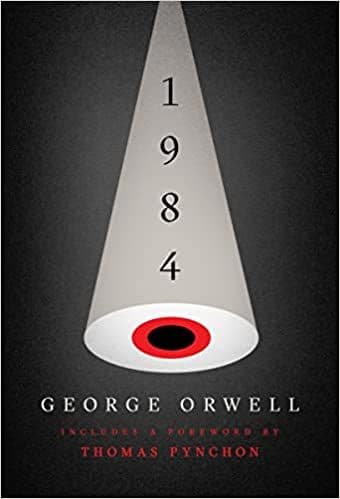
Orwell's 1984 has transcended its status as a novel to become a cultural touchstone and political warning system. Its enduring power lies not just in its depiction of totalitarianism, but in its profound psychological insights into how power operates through language and thought control. Concepts like "doublethink," "Newspeak," and "thoughtcrime" have entered our lexicon because they articulate genuine threats to intellectual freedom that extend beyond any single political system. The novel's unflinching exploration of surveillance culture feels increasingly prescient in our digital age, while its examination of how truth can be manipulated through media remains disturbingly relevant. What makes 1984 truly exceptional is that despite its bleak vision, it implicitly affirms the value of human dignity, memory, and the private spaces of the mind—even as it shows how vulnerable these things are to systematic assault.